
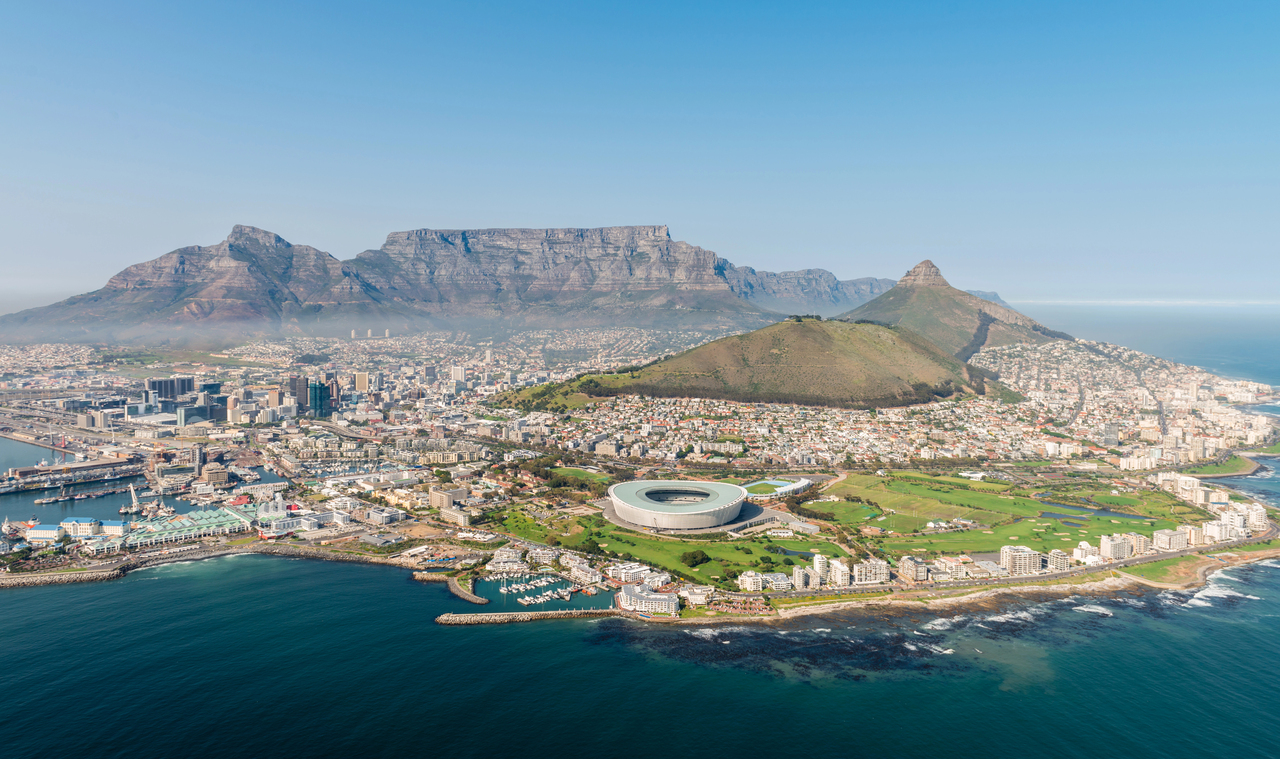
Cape Town offers strong landscapes, open beaches, rich cultural history, and simple access to outdoor adventures. The city includes a wide mix of mountains, coastlines, parks, wildlife areas, and lively urban districts, which makes it appealing to travelers with different interests. Many visitors enjoy the balance between natural beauty and city comfort because the main attractions sit close to one another. This guide shares clear and direct information about sixteen important places to visit. Each section includes an introduction, a reason to go, details about what you will see, and important facts to know before you arrive. The writing supports easy reading and strong search visibility while keeping the tone pleasant and helpful.
1. Table Mountain
Introduction
Table Mountain stands above the city with a clear and powerful presence that shapes the entire Cape Town skyline. Its flat summit creates a unique silhouette that many visitors recognize instantly from photos and travel guides. The mountain rises sharply from the city bowl, which creates a dramatic contrast between urban life and natural space. Many travelers visit the mountain early in their trip because it gives them a wide understanding of the city’s layout. The mountain also brings a sense of calm, fresh air, and open views that help visitors feel connected to the landscape.
Why Go
Table Mountain offers one of the strongest viewpoints in South Africa, and many people consider it a must-see stop. The mountain allows visitors to enjoy nature while staying close to the city. The summit provides space to walk, rest, observe wildlife, and take wide photographs. The fresh air and open landscape make it a peaceful place to spend several hours without pressure or rushed movement.
What to See
When you take the rotating cable car, you get a full view of the mountain walls, the city bowl, Lion’s Head, and the ocean. At the summit, you will find short paths that lead to clear viewpoints overlooking Camps Bay, Table Bay, and the surrounding peaks. The surface includes rock formations, native plants, and quiet corners where you can sit and take in the scenery. You can explore many areas of the summit at your own pace, which creates a sense of freedom for visitors of all ages.
Best to Know
Buy your ticket online to save time. The cableway closes during strong wind, so always check the operating schedule before you travel. Bring a light jacket because the temperature at the summit can change quickly. Stay within the marked paths because some edges are steep. Early morning visits provide clear light, fewer crowds, and comfortable walking conditions.
2. V&A Waterfront
Introduction
The V and A Waterfront is one of the busiest and most welcoming areas in Cape Town because it combines shops, restaurants, public spaces, and harbor activity in one location. The area sits beside the water, which creates a calm atmosphere with steady movement from boats, seagulls, and passing visitors. Many travelers enjoy the convenience of having entertainment, food, and scenery within easy walking distance. The layout feels open and safe, which makes the Waterfront suitable for both short visits and full-day exploring.
Why Go
The Waterfront offers a balanced blend of shopping, dining, and sightseeing. It works well for families, groups of friends, and solo travelers because there is always something to explore. The presence of the harbor gives the area a gentle coastal charm, while the wide walkways create a comfortable space to move freely. Visitors appreciate the simple access to food, shops, and attractions without the need for complex planning.
What to See
You can visit craft markets, clothing stores, food stalls, and entertainment areas. The harbor offers clear views of boats and nearby mountains. Live performers often play music or create small shows that add friendly energy to the space. Restaurants offer seafood, casual meals, and desserts, many with open views of the water. The Waterfront also includes museums, exhibitions, and boat tours for visitors who want extra activities.
Best to Know
The area becomes busy during weekends and holidays. Arrive early if you want quiet conditions. Keep your phone and wallet in a secure pocket. Late afternoon light creates warm colors on the water, which makes it ideal for photos. If you prefer calm movement and open walkways, visit early morning as shops begin to open.
3. Camps Bay Beach
Introduction
Camps Bay Beach remains one of Cape Town’s most famous coastal areas due to its bright sand, strong mountain backdrop, and relaxed holiday atmosphere. The beach sits beside palm trees and a wide beachfront road lined with restaurants and cafés. This combination creates a clean and inviting environment that attracts both locals and international visitors. The beach offers enough space to walk, rest, swim, and enjoy calm coastal energy throughout the day.
Why Go
The beach provides a simple and scenic place to spend time outdoors. The contrast between the white sand and the Twelve Apostles mountain range creates a strong visual experience. Visitors enjoy swimming, sunbathing, reading, and watching the sunset from the shore. The area includes food options, public facilities, and large open spaces, which makes it practical for families and groups.
What to See
You will see wide stretches of smooth sand, gentle waves, rock pools near the edges, and bright colors reflecting off the water during sunset. The area behind the beach includes cafés and restaurants where you can enjoy meals or drinks with clear views of the coastline. Throughout the day, you may see beach volleyball games, surfers, and locals taking slow walks along the shoreline.
Best to Know
The ocean water remains cold throughout the year due to currents, so prepare for a refreshing swim. Parking can become difficult during summer afternoons, so arrive earlier to secure a spot. Use sunscreen because the sun feels strong near the water. Keep your belongings in a secure bag and avoid leaving items unattended.
4. Bo Kaap
Introduction
Bo Kaap is one of Cape Town’s most visually striking neighborhoods because of its bright houses, narrow streets, and deep cultural history. The area reflects Cape Malay heritage and includes long-standing traditions in food, language, and community. Many visitors come to see the colorful architecture and to learn more about the local culture. The atmosphere feels warm and lively, which makes walking through Bo Kaap an enjoyable and meaningful experience.
Why Go
Bo Kaap offers strong visual appeal and important cultural insight. The colorful houses create clear lines and patterns that attract photographers. The museum and local stores help visitors understand the community’s past and present. The area feels unique compared to other parts of Cape Town, which makes it a valuable stop for travelers who enjoy culture, food, and history.
What to See
You will see bright homes painted in many solid colors, cobblestone streets, and small stores selling spices, baked goods, and handcrafted items. The Bo Kaap Museum shares information about the community through clear displays and preserved rooms. Walking through the area gives you a chance to take vivid photos, explore local cuisine, and enjoy the atmosphere of a tight-knit neighborhood.
Best to Know
Walk through Bo Kaap during daylight for the best lighting. Respect private homes, and avoid blocking doorways or pathways when taking photos. Wear comfortable shoes because the streets can be steep. Visit during dry weather because the cobblestones may become slippery when wet.
5. Robben Island
Introduction
Robben Island holds important historical meaning because it served as a prison for political prisoners during apartheid. The island sits a short distance from Cape Town and offers visitors a direct way to learn about South Africa’s past. The experience includes a guided tour that provides personal insight into events that shaped the country. Many visitors consider the trip both educational and moving.
Why Go
The island offers clear historical context and helps visitors understand the struggles faced by political prisoners. The guided tour provides accurate information through stories shared by people with real connections to the past. The island also offers clean views of Cape Town from the water, which adds scenic value to the experience.
What to See
You will begin with a ferry ride that offers open views of the ocean and city skyline. Once on the island, you can see prison cells, courtyards, guard towers, and educational displays. Some guides share personal stories that add emotional depth to the visit. You will also see open fields, wildlife, and old buildings that remain part of the island’s preserved environment.
Best to Know
Book your ticket early because tours fill quickly. Ferries may cancel due to strong wind or rough water, so check the schedule before your visit. Bring water and sun protection because the island offers limited shade. Wear comfortable shoes because the tour includes walking between sites.
6. Sea Point Promenade
Introduction
Sea Point Promenade stretches along the coastline and provides one of the most popular walking areas in Cape Town. The wide pathway attracts walkers, joggers, cyclists, families, and dog owners throughout the day. The atmosphere feels safe, relaxed, and open, which makes the promenade a comfortable place to enjoy ocean views. Many visitors enjoy the simple routine of walking along the coast while watching waves break against the rocks.
Why Go
The promenade offers consistent activity and scenic views without requiring any special planning. The walkway is long enough to enjoy extended exercise but still accessible for slow and casual movement. The open lawns and benches create places to sit and observe the ocean. The area remains lively from morning until sunset, which makes it a pleasant stop for visitors of all fitness levels.
What to See
You will see clean ocean views, grassy areas, public art installations, playgrounds, and wide skies that shift color throughout the day. Waves break against rocks near the lower sections of the walkway, creating a natural soundtrack during your walk. People often walk their dogs, enjoy picnics on the grass, or sit on benches facing the water.
Best to Know
The area can become windy, so bring a light jacket. The mornings offer calm conditions and fewer people. Stay aware of cyclists because the path is shared. If you enjoy watching sunsets, the promenade offers some of the clearest evening views along the coastline.
7. Kirstenbosch Botanical Garden
Introduction
Kirstenbosch Botanical Garden sits at the base of Table Mountain and provides one of the most peaceful nature spaces in Cape Town. The garden covers a large area filled with native plants, walking paths, lawns, and shaded corners. Many visitors appreciate the calm energy, clean air, and wide open views that the garden offers. It is a strong place to rest and enjoy nature without leaving the city.
Why Go
The garden offers a smooth balance of walking, viewing, resting, and learning. Nature lovers enjoy the rich plant life, while families appreciate the safe space for children to explore. The setting below Table Mountain creates a scenic background that adds depth to the experience. Many people spend several hours here because the layout feels spacious and relaxing.
What to See
You can explore shaded forest paths, open lawns, native plant sections, and the raised canopy walkway. The garden includes water features, flowering plants, and quiet corners where you can sit peacefully. Birds, insects, and small animals move through the garden, which brings gentle natural activity to the space. The mountain backdrop makes the views strong and memorable.
Best to Know
Wear comfortable shoes because the garden covers a wide area. Bring water and snacks if you plan to spend several hours walking. Picnics are allowed on the lawns, which makes the garden a good choice for a calm afternoon. Early morning and late afternoon create comfortable temperatures and soft lighting.
8. Chapman’s Peak Drive
Introduction
Chapman’s Peak Drive follows a curved route along cliffs that rise above the ocean. This scenic road remains one of the most admired drives in South Africa because of its dramatic views and steady coastline scenery. Many visitors enjoy the slow and peaceful drive because it offers several viewpoints where you can stop and enjoy the landscape. The road connects Hout Bay to Noordhoek, which creates a convenient route for exploring the peninsula.
Why Go
The drive offers some of the strongest coastal views in the region. Visitors enjoy the combination of cliffs, ocean waves, and changing light throughout the day. The route works well for people who enjoy photography, slow scenic drives, and quiet observation of nature. The viewpoints make it easy to take breaks and enjoy the scenery without rushing.
What to See
You will see high cliffs, deep ocean water, rocky shorelines, and small beaches in the distance. Lookout points allow you to view Hout Bay, the long stretch of Noordhoek Beach, and the surrounding mountains. The road itself provides a unique perspective because it curves along the cliffs with open sea views at every turn.
Best to Know
Check the road’s status before your trip because maintenance may cause temporary closures. Drive slowly and follow signs that direct you to safe stopping areas. Late afternoon creates warm light on the cliffs, while morning offers calm visibility. If you plan to take photos, choose viewpoints with safe parking areas.
9. Cape Point
Introduction
Cape Point sits within the Table Mountain National Park and provides one of the most dramatic landscapes on the peninsula. The area includes cliffs, ocean views, plant life, wildlife, and wide open space. Many visitors come to experience the strong views and natural beauty that make the region famous. The mix of wind, water, land, and wildlife creates a memorable outdoor environment.
Why Go
Cape Point offers a sense of wide space and natural power that many visitors appreciate. The elevated viewpoints give you clear views of two oceans meeting along the coastline. The area includes walking paths, beaches, and wildlife sightings, which create a strong variety of experiences. It is a good place for people who enjoy nature, photography, and calm outdoor exploration.
What to See
You can climb or ride to the old lighthouse for wide views of cliffs, waves, and open ocean. The lower paths let you explore beaches, rock formations, and plant life. Wildlife such as baboons, birds, and small antelope appear throughout the park. The coastline includes clear water and dramatic rock shapes that create strong visuals.
Best to Know
Do not feed wildlife because it creates unsafe behavior. Keep food sealed inside your bag. The wind can become strong at the top, so secure loose items and avoid wearing wide hats. Bring sunscreen, comfortable shoes, and water because the area receives strong sun during clear days. Plan at least half a day to explore comfortably.
10. Boulders Beach
Introduction
Boulders Beach is known for its protected colony of African penguins, which draws many visitors each year. The area includes sandy beaches, large boulders, and wooden walkways that guide you through clear viewing points. The beach sits in a calm part of the coastline and provides simple access to wildlife in a safe environment. Families and nature lovers find this stop especially enjoyable.
Why Go
The beach gives you a close and safe way to see penguins in their natural environment. The walkways keep both people and animals safe while still allowing clear visibility. The calm cove also creates a pleasant swimming area, though the water stays cold due to local currents. Many visitors appreciate the clean balance between wildlife viewing and natural scenery.
What to See
You will see penguins resting on sand, swimming near rocks, and walking through small pathways in the vegetation. The boulders form natural pools and protected corners where penguins gather. The water appears clear and bright on sunny days. Visitors can walk along viewing platforms that give strong angles for photographs without disturbing the animals.
Best to Know
Stay on the designated paths and keep a distance from the penguins. Arrive early during the summer to avoid large crowds. Swimming is allowed only in certain areas, and the water feels cold even during warm weather. Keep food and belongings secure because wildlife may show interest in unattended items.
11. Cape Winelands Day Trip
Introduction
The Cape Winelands include Stellenbosch, Franschhoek, and the surrounding valleys. The region offers open vineyards, strong mountain views, historic buildings, and calm outdoor spaces. Many travelers enjoy the peaceful energy of the Winelands because it feels slow-paced and scenic. The area provides food, wine, culture, and nature in one setting.
Why Go
A Winelands day trip offers rich flavor, clean scenery, and relaxed movement between wine estates. Many visitors enjoy tastings, lunches, picnics, and short walks through the vineyards. The region works well for groups, couples, and solo travelers because the estates offer friendly service and clear routes. The strong views of mountains and vineyards make the trip enjoyable at any time of year.
What to See
You will see rows of vines, mountains rising behind the estates, cellars, gardens, and water features. Many estates offer wine tastings with options to learn about grape varieties and local production methods. Restaurants serve meals that pair well with the wines. Some estates include art collections, small museums, or outdoor sculptures that add cultural depth to the visit.
Best to Know
Book tastings early during weekends or busy seasons. Drink water between tastings to stay comfortable. If you want to avoid driving, join a guided tour for convenience and safety. Plan your route in advance to avoid rushing between estates. Early morning visits offer cool temperatures and soft landscape light.
12. Lion’s Head
Introduction
Lion’s Head rises between Table Mountain and Signal Hill and offers one of the most popular hiking routes in Cape Town. The path circles the mountain before rising to the summit, which gives you changing views throughout the climb. Many visitors choose Lion’s Head for sunrise or sunset because the light creates strong color across the city and ocean. The route feels energetic but manageable for many fitness levels.
Why Go
The hike offers clear scenery without long distance. The top gives a wide view of the city, Table Bay, Camps Bay, and Table Mountain. Many travelers enjoy the sense of reward after reaching the summit. The route brings active movement and scenic value in equal measure, which makes it suitable for both fitness and sightseeing.
What to See
You will see the city bowl, coastline, mountain range, and open sky from different angles as you move along the path. The upper section includes metal handles and chains that help you climb short rocky areas. From the summit, you can take strong photographs and enjoy the full view of Cape Town. The changing landscape keeps the hike interesting from start to finish.
Best to Know
Bring water, a torch for early or late hikes, and shoes with grip. Avoid the trail during strong wind or rain because the upper section becomes unsafe. The path becomes busy during full moon and weekends, so start early for a calm climb. Allocate enough time to reach the top and return safely.
13. Long Street
Introduction
Long Street runs through the city center and offers a mix of shops, cafés, bookstores, and historic buildings. The area has a lively and creative spirit that appeals to visitors who enjoy browsing, exploring, and discovering local culture. The Victorian architecture gives the street a distinctive look, while the many small businesses add personality to the space.
Why Go
Long Street offers easy access to food, shopping, and cultural experiences in one location. Many visitors enjoy the friendly atmosphere and the range of small stores that sell clothing, crafts, books, and local goods. The street works well for slow wandering and simple exploration because everything sits close together.
What to See
You will see Victorian-era buildings with decorative balconies, secondhand bookstores, fashion shops, cafés, and small art stores. Many visitors stop for coffee, browse vintage items, or take photos of the historic architecture. The variety of small shops creates a sense of discovery because each store offers something different.
Best to Know
Visit during the day for a calm and safe experience. Keep your belongings secure in busy areas. Use pedestrian crossings because the street has regular traffic. Wear comfortable shoes because you may walk longer than expected while exploring different stores.
14. District Six Museum
Introduction
The District Six Museum tells the story of forced removals that took place under apartheid. The museum preserves personal memories, photographs, and objects that explain the impact of these events on families and communities. Many visitors appreciate the intimate style of the museum because it connects history to real human experiences.
Why Go
The museum offers clear historical information that helps visitors understand an important part of Cape Town’s social history. The displays present emotional and factual elements in a way that feels accessible. Visitors often describe the experience as meaningful because the museum brings personal accounts into clear focus.
What to See
You will see photographs, maps, handwritten notes, preserved objects, and stories from former residents. The museum includes personal testimonies that create strong emotional impact. The layout guides you through different sections that explain the community’s history before and after the removals.
Best to Know
Allow enough time to read the displays fully. The museum sits near other central attractions, which makes it easy to combine with other visits. If you want deeper insight, ask staff members to share additional context because many have personal connections to the history.
15. Two Oceans Aquarium
Introduction
The Two Oceans Aquarium sits in the V and A Waterfront and offers an indoor space dedicated to marine life from the Atlantic and Indian Oceans. The large tanks and clear displays create a friendly learning environment for both adults and children. Many visitors choose this stop during windy or rainy days because the indoor space provides comfort and steady temperature.
Why Go
The aquarium offers educational value in a calm environment. Visitors appreciate the chance to see marine animals up close and learn simple facts about ocean ecosystems. Families enjoy the child-friendly layout, while travelers who enjoy nature and science appreciate the clear information provided at each exhibit.
What to See
You will see sharks, turtles, jellyfish, rays, and small reef fish in large tanks that create natural-looking habitats. The displays offer close viewing angles that make it easy to observe details. The touch pool allows children to interact with safe species under supervision. The aquarium also includes feeding sessions that explain animal behavior.
Best to Know
The aquarium becomes busy during poor weather because many visitors choose it as an indoor activity. Arrive early for a comfortable visit. Check the feeding schedule so you can plan your time around the shows. Photography is allowed in most areas, but avoid using flash near sensitive species.
16. Muizenberg Beach
Introduction
Muizenberg Beach offers long stretches of sand, steady waves, and a friendly surf culture that attracts visitors of all ages. The beach sits along the False Bay coastline and remains one of the most popular places for beginner surfers. The bright beach huts create strong visual appeal and add color to the shoreline. The area has a relaxed, coastal atmosphere that encourages slow walking and simple enjoyment of the beach.
Why Go
Muizenberg provides a peaceful environment for walking, relaxing, and surfing. The gentle waves make it a suitable location for surf lessons. The long beach gives visitors enough space to spread out, and the surrounding cafés create a friendly community feel. Many travelers enjoy the slow pace and open coastline.
What to See
You will see long sand areas, bright beach huts, surf schools, and steady waves rolling in from the bay. The boardwalk includes casual food spots where you can rest after swimming or surfing. The water is often filled with surfboards because the waves stay consistent on most days. The scenery creates a clean and refreshing atmosphere.
Best to Know
If you want surf lessons, book in advance during busy periods. The water stays cold, so a wetsuit helps. Lifeguards work during peak seasons, but always stay aware of conditions. Parking may become busy during warm weekends, so arrive earlier for convenience. The beach suits long walks, so wear comfortable sandals or shoes.
Final Travel Tips
Cape Town offers many outdoor activities, so keep sunscreen, water, and a light jacket with you. Weather changes quickly, especially near the mountains, so check forecasts before planning hikes or cable car trips. Use reliable transport options such as e-hailing services, guided tours, or secure taxis. Keep your valuables in closed pockets or bags when walking in busy areas. Plan important outdoor activities for clear days to enjoy strong visibility and comfortable conditions.