
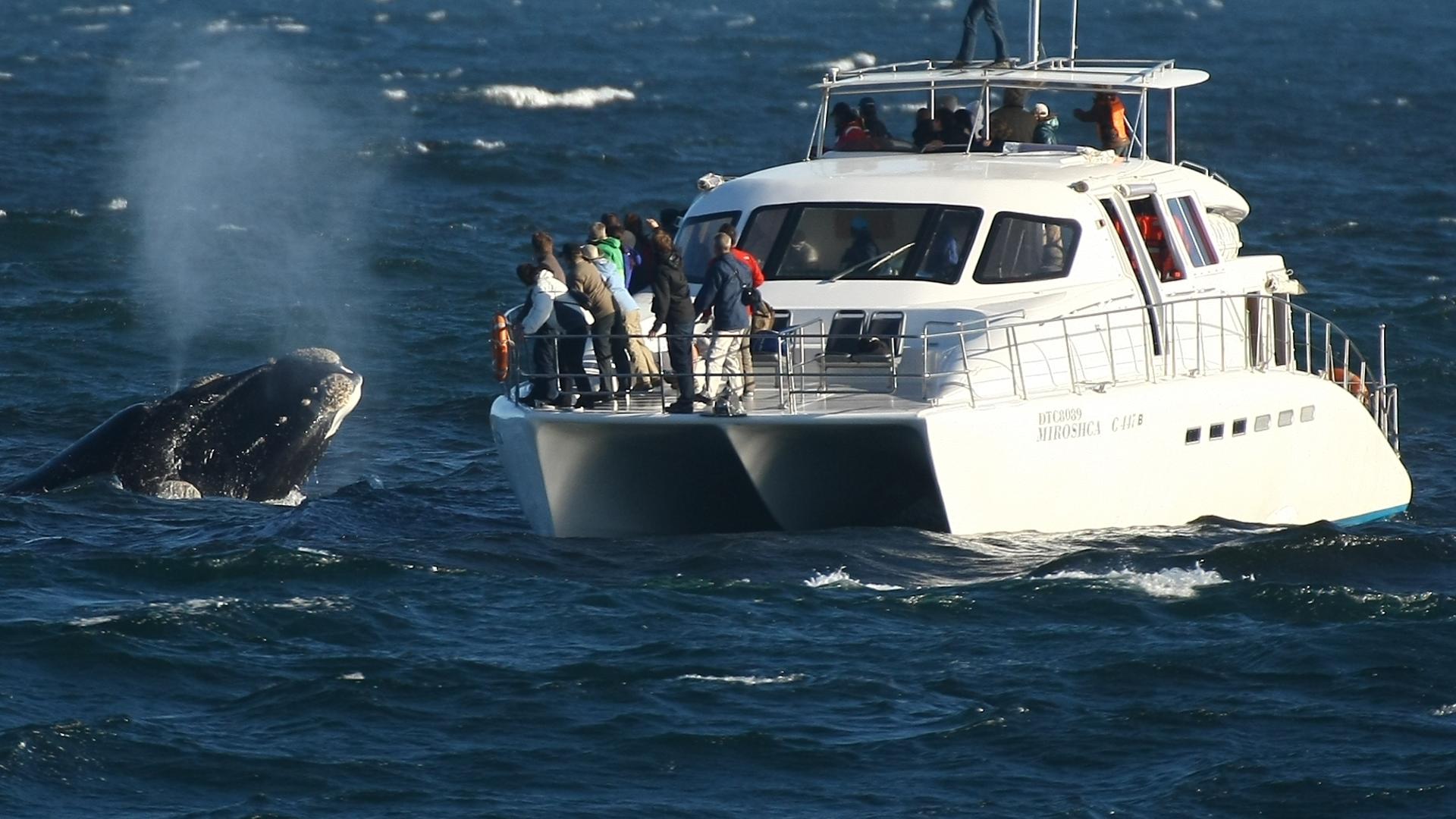
Whale watching near Cape Town is a major attraction for visitors and locals. The coast offers clear views of whales during specific months every year. The ocean becomes active as whales arrive to breed, nurse calves, and rest in warmer waters. This guide explains the best time to watch whales, the areas that offer the best views, and simple tips to improve your experience.
Whale Species Seen near Cape Town
Several whale species visit the coast. The most common is the Southern Right Whale. They stay close to shore, which makes them easy to see from land. You may also spot Humpback Whales as they migrate along the coast. Bryde’s Whales are present all year, but they stay farther from shore.
Here is a simple breakdown:
- Southern Right Whales: Seen clearly from land
- Humpback Whales: Seen during migration
- Bryde’s Whales: Seen at any time of the year
- Dolphins: Often seen during boat tours
Southern Right Whales remain the main highlight because they move close to beaches and coastal paths.
Best Time for Whale Watching
Peak Season: June to November
The best time for whale watching near Cape Town is June to November. During these months, Southern Right Whales enter the bays to mate and give birth. They stay close to shore and remain active throughout the day.
Most Reliable Months: August to October
If you want the highest chance of seeing whales, visit between August and October. The ocean is full of whale activity. Many visitors see whales without using a boat.
Early Season: June and July
Whales start arriving in June. Activity is steady, but not as intense as the main months.
Late Season: November
Some whales stay until early November. The weather improves, creating pleasant viewing conditions.
Best Places for Whale Watching
Cape Town has several areas where whales come close to the shore. Here are the most reliable spots:
1. Hermanus
Hermanus is one of the best whale-watching towns in the world. It sits about 1.5 hours from Cape Town. The cliffs offer clear views of the ocean. Visitors often see whales only a few meters from the shoreline.
Key features:
- Long coastal path
- Regular sightings
- Whale-viewing points along the cliffs
- Boat tours available
2. False Bay
False Bay offers wide viewing areas. Whales often move close to the shore, especially near Simon’s Town and Fish Hoek.
Good spots:
- Glencairn
- St James
- Kalk Bay
- Simon’s Town
False Bay also has calmer water, which helps with sightings.
3. Cape Point and Scarborough
Whales move past Cape Point during migration. The area around Scarborough and Misty Cliffs also offers strong viewing points. These places are quiet and scenic, ideal for people who enjoy peaceful coastal spaces.
4. De Hoop Nature Reserve
This reserve sits a few hours from Cape Town. It has long stretches of coastline where whales gather in large numbers. Many visitors choose De Hoop for a full-day or overnight trip.
What to Expect During Whale Watching
Whales show several behaviours that are easy to spot:
- Breaching: Whale jumps out of the water
- Tail Slaps: Strong wave created by the tail
- Spyhopping: Whale lifts its head above the water
- Calf Play: Young whales swim close to their mothers
These behaviours make whale watching exciting and easy to enjoy.
Best Time of Day for Whale Watching
Whales can be seen at any time, but the following times help improve visibility:
- Morning: Calm ocean and soft light
- Late Afternoon: Warm light and clear views
Midday light can feel bright, but whales remain active.
The ocean may become windy in the afternoon, especially near the Atlantic coast, but it does not reduce sightings.
Land-Based vs. Boat-Based Whale Watching
Both options offer different experiences.
Land-Based Viewing
- No cost except for travel
- Easy and accessible
- No motion sickness
- Great for photography
- Best spots: Hermanus, False Bay, De Hoop
Boat-Based Viewing
- Closer views
- Guided commentary
- Chance to see dolphins and seals
- Suitable during peak whale months
Boat tours work well in Hermanus and Simon’s Town.
Simple Tips for a Good Whale-Watching Experience
Here are easy tips that improve your results:
- Bring binoculars
- Wear sunscreen and a hat
- Pack water and comfortable shoes
- Check weather conditions before you go
- Choose clear days for better visibility
- Stay patient, as whale activity changes through the day
Following these steps helps you enjoy your viewing experience without stress.
Photography Tips
Whale watching offers strong photo opportunities. Use these simple techniques:
- Capture wide shots to show the ocean and coastline
- Use a fast shutter speed if shooting action
- Wait for repeated behaviours like tail slaps
- Keep the sun behind you for clear light
Even a standard phone camera works well on good weather days.
Why Cape Town Is a Prime Whale-Watching Destination
Cape Town offers easy access to whale migration routes. The coastline has high cliffs, long paths, and open bays that make viewing simple. You can see whales from beaches, viewpoints, or boats. The mix of ocean conditions and wide coastal spaces creates ideal settings for spotting whales from June to November.
Conclusion
Whale watching near Cape Town is an enjoyable and simple activity. The best time to see whales is from June to November, with August to October offering the most frequent sightings. Whether you visit Hermanus, False Bay, or areas near Cape Point, you have strong chances of seeing whales from land or boat. With the right planning and a clear understanding of the seasons, you can enjoy a rewarding and memorable whale-watching experience.